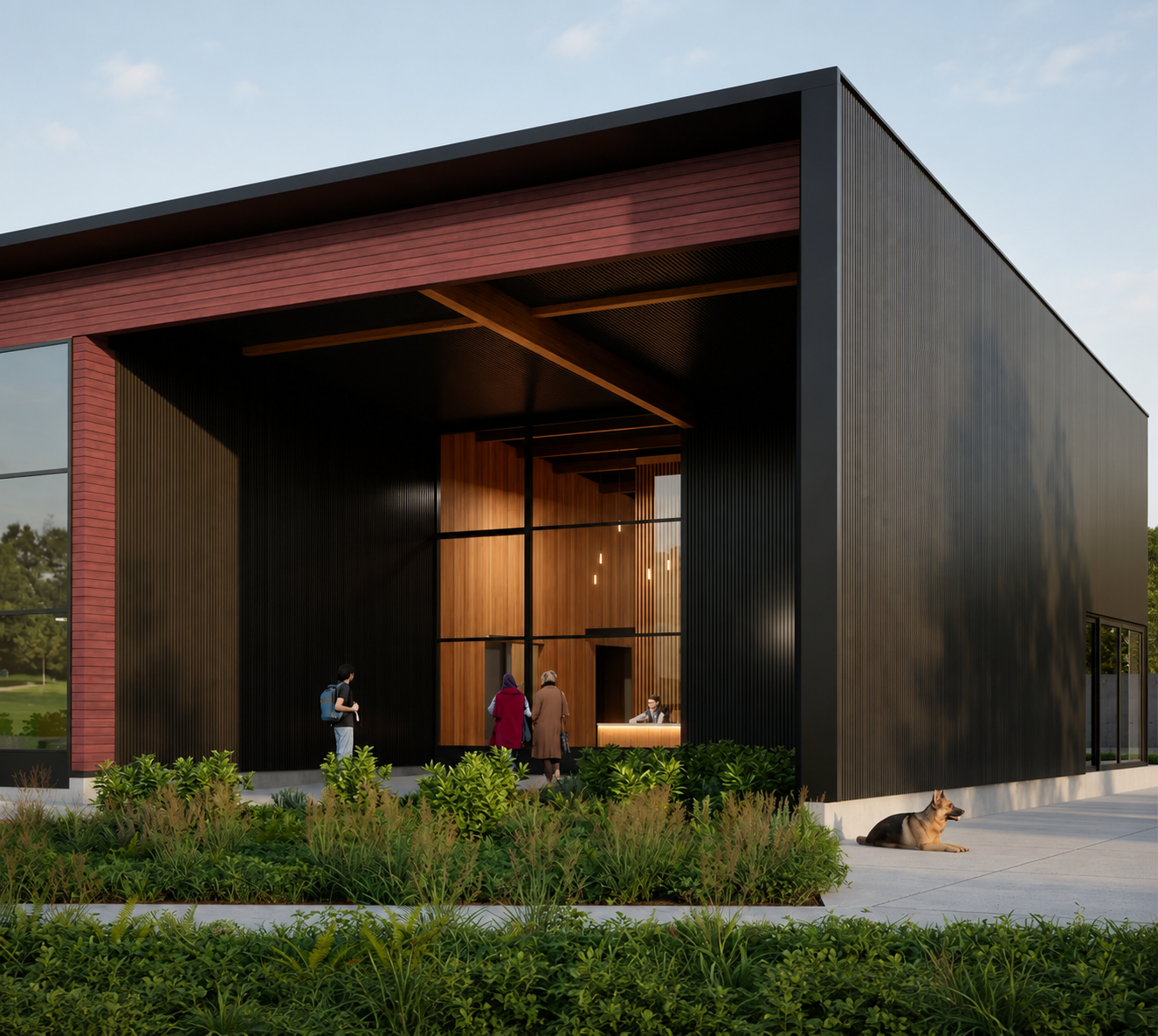
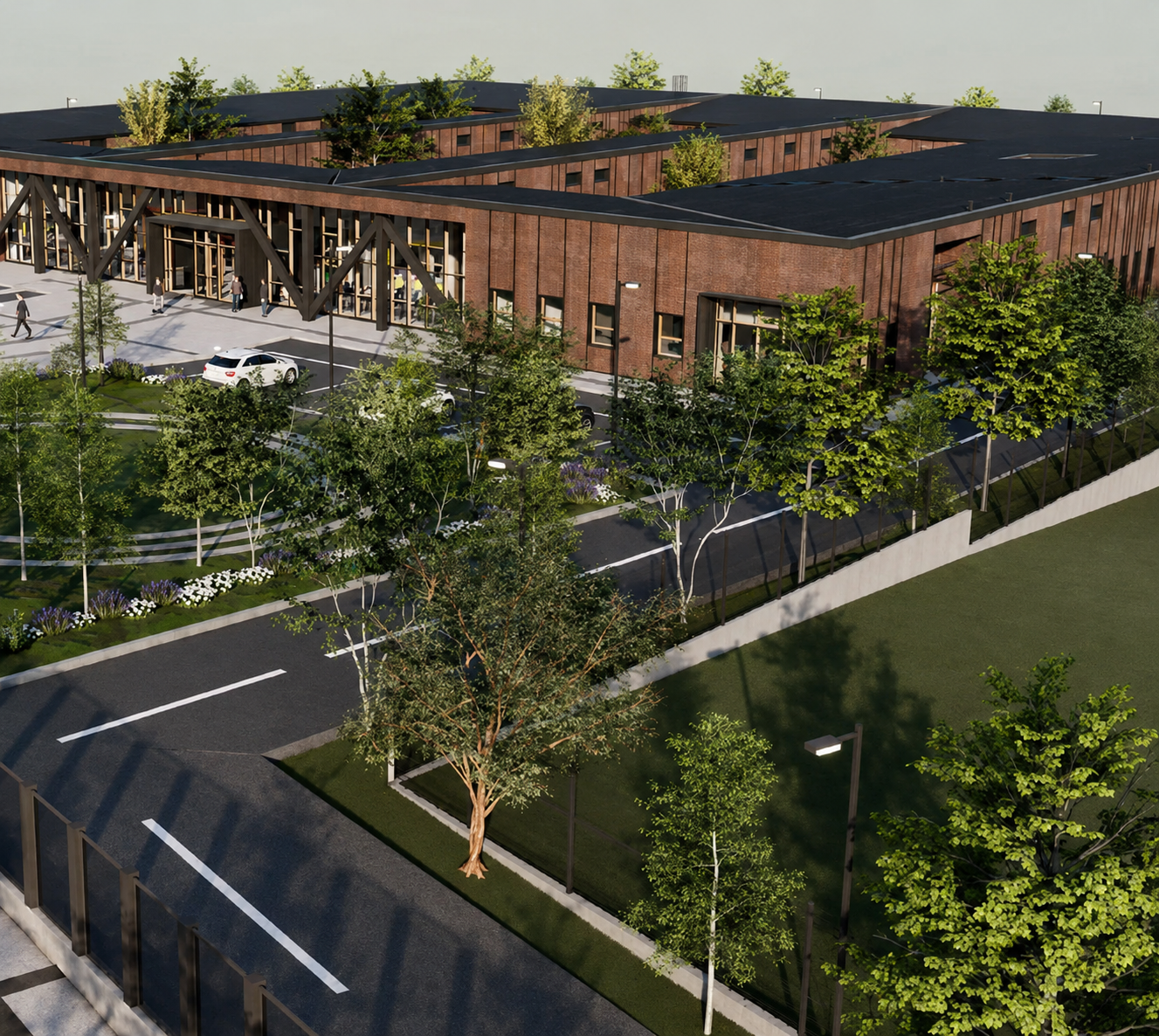
More than 1,200 m³ of laminated timber will shape the new UWC campus, designed under sustainability and well-being standards within a high environmental value setting.
A Partnership Advancing Education and Sustainable Construction in Latin America
Niuform, CMPC’s subsidiary specialized in timber construction solutions, takes a major step in its international expansion with the development of the new United World Colleges (UWC) campus in San Isidro de Heredia, Costa Rica. This marks Niuform’s first large-scale educational project outside Chile and represents a significant milestone for the company and for sustainable construction in the region.
With an investment of approximately USD 65 million by UWC, the project was designed by the renowned international architecture firm Gensler, with structural engineering led by NCI in collaboration with Niuform. The campus will include more than 16 buildings serving multiple purposes, such as student and faculty residences, administrative offices, a theater, library, gymnasiums, and shared community spaces.
Mass Timber as a Structural and Sustainable Solution
The campus will be built using approximately 1,200 m³ of GLT (glued laminated timber). This material choice responds not only to architectural and structural requirements, but also to a strong commitment to reducing the project’s carbon footprint. It is estimated that the use of GLT will store more than 1,000 metric tons of CO₂.
This type of industrialized timber, manufactured in Chile, enables high-performance structural systems while also acting as a carbon sink, significantly reducing greenhouse gas emissions compared to traditional construction materials.
Technical Challenges in a Unique Natural Environment
The new campus will be developed on a nearly 50-hectare site located near Braulio Carrillo National Park, an area of high environmental sensitivity. This context requires close interdisciplinary coordination in landscape design, HVAC systems, lighting, and infrastructure, with a strong focus on energy efficiency and respect for the surrounding ecosystem.
The buildings will combine fully GLT-based structures with hybrid systems, integrating traditional masonry and laminated timber beams depending on the functional requirements of each building.
Well-Being and Timber Architecture: A Proven Combination
The choice of timber is not only environmentally driven; it also aims to enhance the quality of life for those who will live, study, and work on campus. International studies have shown that wood-based environments can improve concentration and productivity, promote a sense of well-being, and reduce stress levels.
“This project will not only adapt to the natural environment in which it is located, but will also deliver greater well-being to the UWC educational community,” said Juan Pablo Pereira, General Manager of CMPC Maderas.
A New Boost for Niuform’s International Growth
This educational project strengthens Niuform’s international presence. In 2024 alone, the company exported CLT and GLT products to Peru and continues to identify new opportunities across Latin America. The partnership with UWC Costa Rica demonstrates that mass timber construction is a practical and scalable response to the challenges of sustainable urban development, delivering social, environmental, and economic benefits.