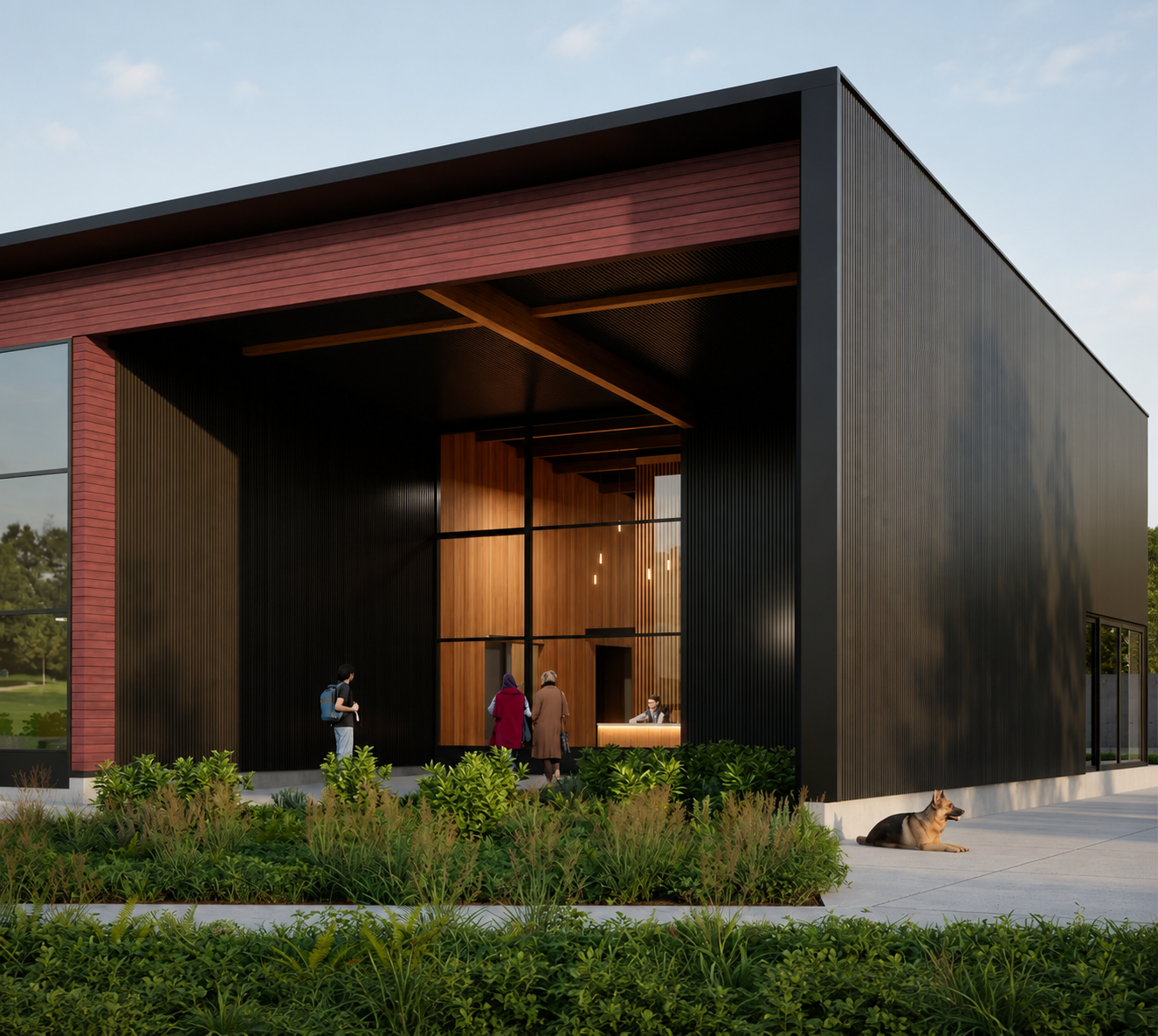
The new CESFAM Huequén healthcare center in Angol represents a significant milestone for Chilean public infrastructure, showcasing how timber continues to play an increasingly important role in high-impact public projects.
With an investment of more than CLP 13.7 billion and a site spanning over 10,000 m², the project is designed to meet the growing healthcare needs of the local community while integrating energy efficiency, occupant comfort, and sustainability from the earliest stages of design.
A Healthcare Facility Designed Around People
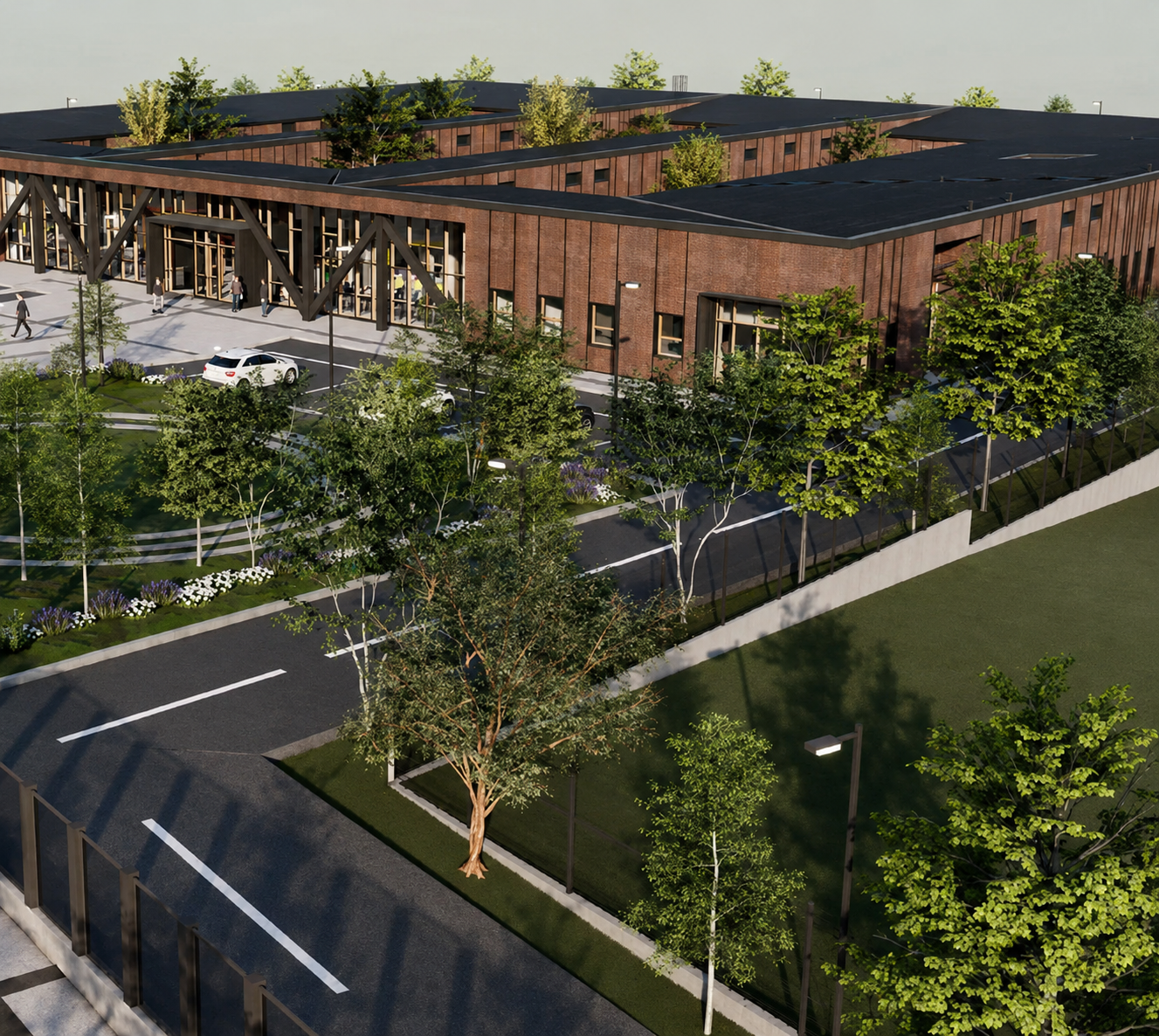
Designed by González y Schumacher Arquitectos, the building is organized around four interior courtyards that maximize natural daylight and promote cross ventilation throughout the facility. This bioclimatic approach enhances comfort for both patients and staff while helping reduce the building’s operational energy demand.
The project is also pursuing Chile’s Sustainable Building Certification (CES), incorporating design strategies that improve environmental performance throughout the building’s lifecycle.
Timber as Part of a Hybrid Structural Solution
The project features a hybrid structural system that combines concrete, steel, and timber, leveraging the strengths of each material according to its structural function.
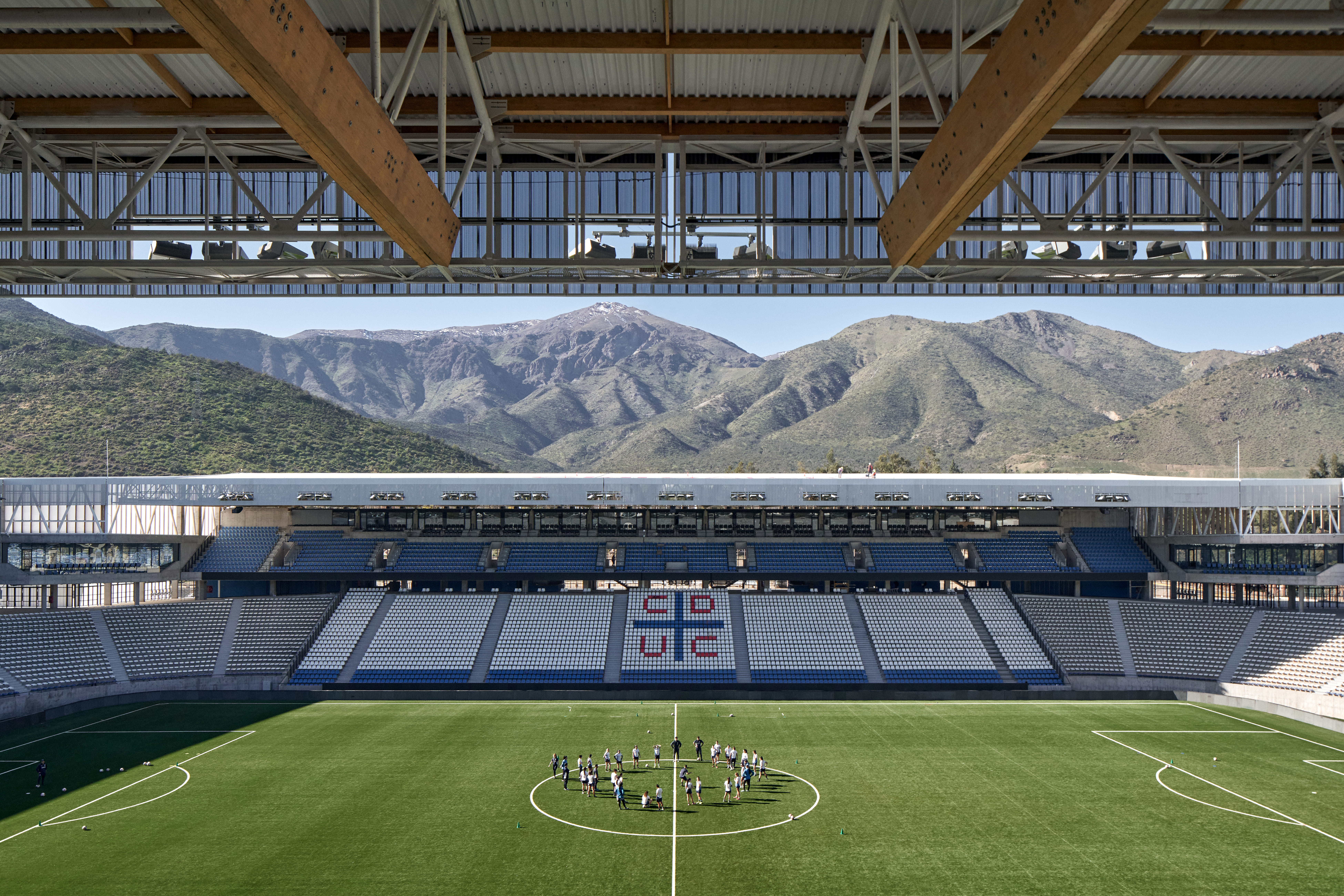
Mass timber plays a prominent role in the public areas through glued laminated timber (GLT) elements used in the roof structure and façade features. In addition, radiata pine cladding reinforces the project’s connection to the region’s forestry heritage while bringing warmth and a natural aesthetic to the building.
Niuform’s Contribution
As part of the project, Niuform supplied the glued laminated timber (GLT) beams and structural components used in the roof system and façade applications.
Industrialized timber solutions provide the precision, structural performance, and quality required for public infrastructure while offering a renewable material that contributes to reducing the building’s carbon footprint.
By participating in projects such as CESFAM Huequén, Niuform continues to support the development of innovative, efficient, and sustainable buildings, helping shape a new generation of public infrastructure where timber is an integral part of the solution.