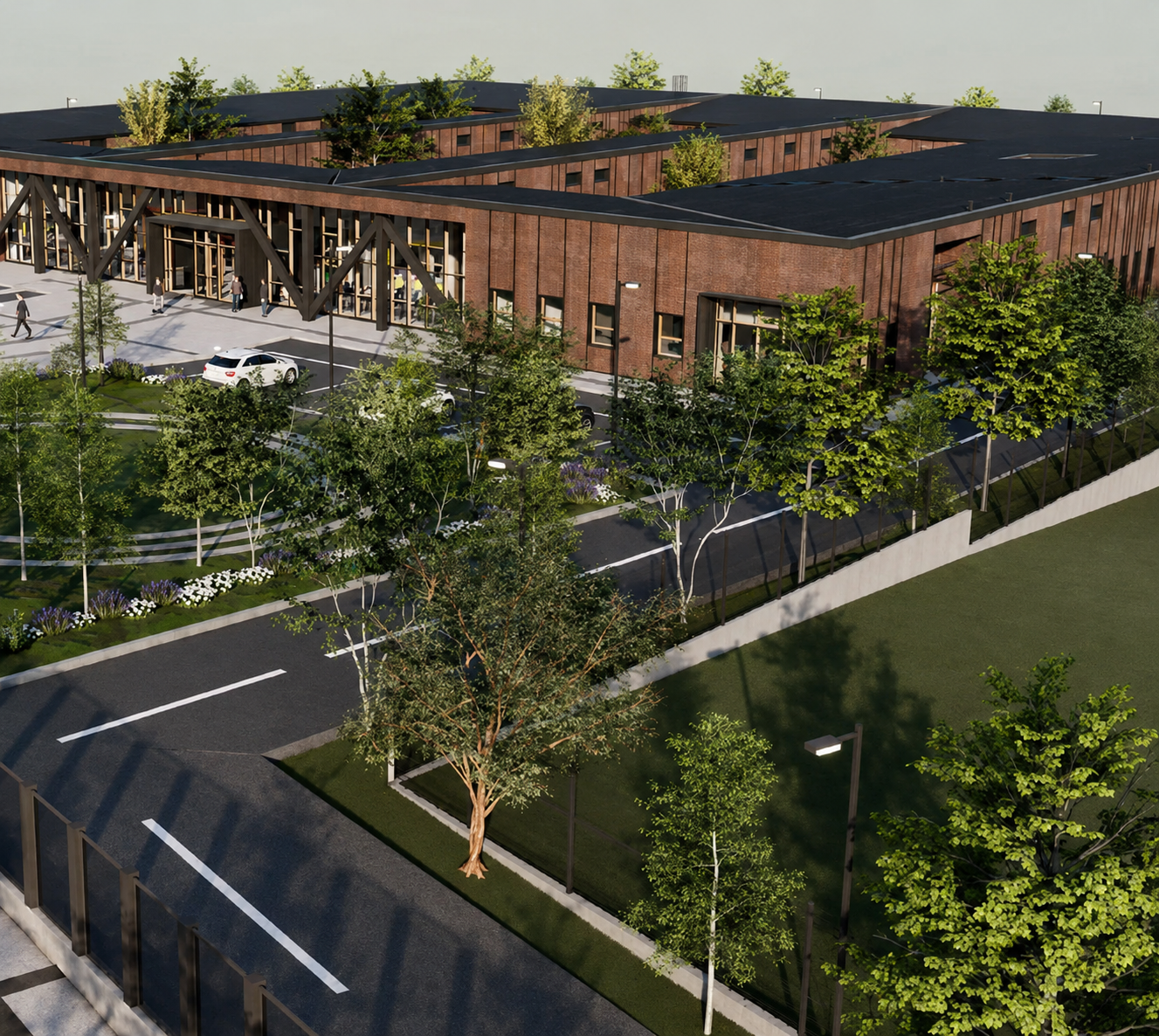
The new San Pedro de la Paz Fire Station represents an opportunity to showcase the potential of Mass Timber in public projects with significant social value, integrating construction innovation, efficiency, and people-centered architecture. The project combines innovative construction solutions, operational efficiency, and a design that not only meets the needs of the Fire Department but also strengthens its connection with the local community.
More than a facility designed to house emergency vehicles and equipment, the station is envisioned as a space for work, training, and community engagement, bringing together firefighters and local residents. In this context, the incorporation of CLT and GLT solutions
demonstrates how industrialized timber construction can expand into new applications and play a greater role in more complex public buildings.
The architectural design was developed by the Department of Studies and Projects of the Municipality of San Pedro de la Paz, in collaboration with a team from Universidad San Sebastián.
Mass Timber for a community gathering space
A fire station is much more than infrastructure dedicated to emergency response. It is a place where volunteers carry out their work, prepare to respond to different situations, and build meaningful connections with the community.
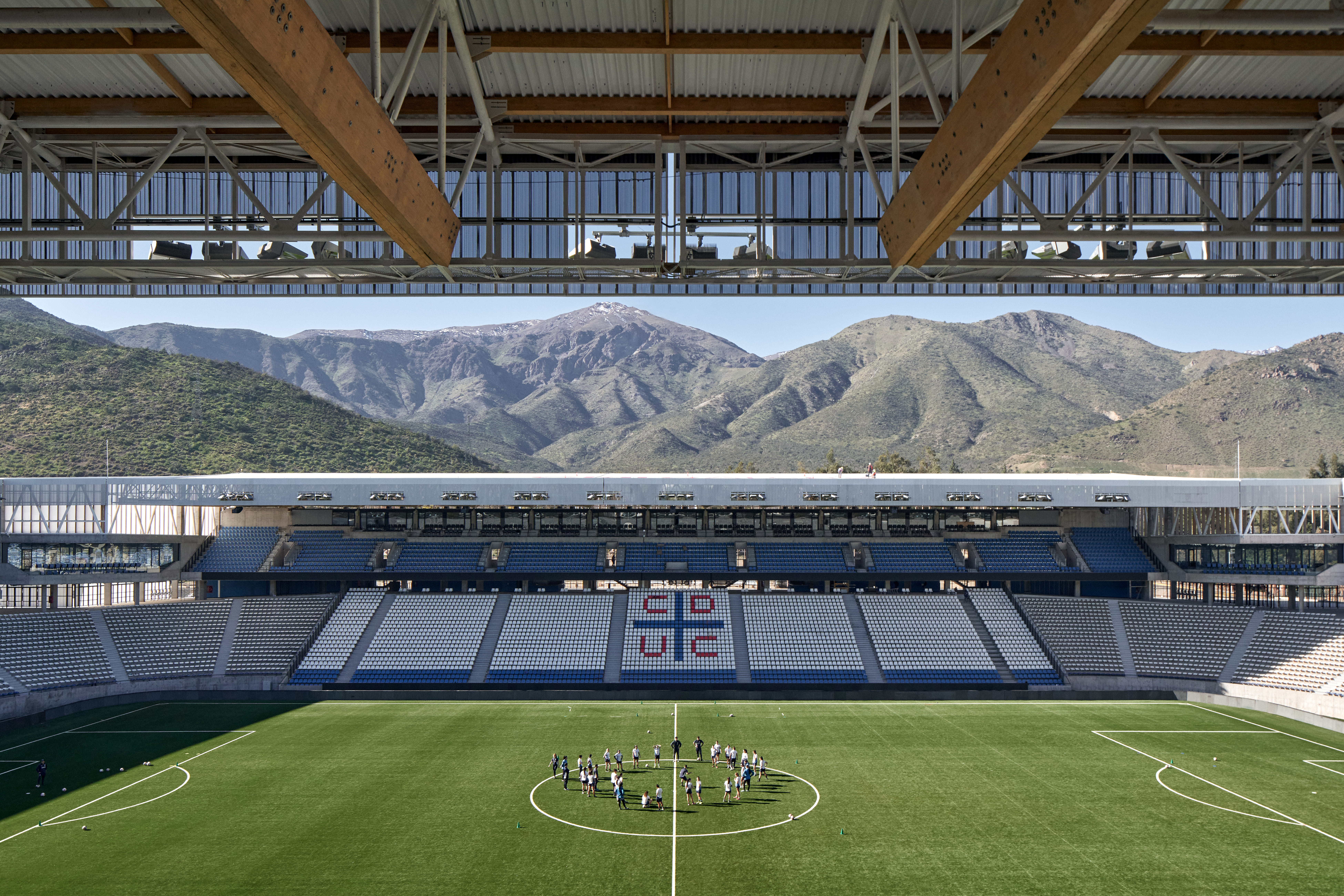
The incorporation of Mass Timber helps bring this construction technology closer to people while highlighting its potential in building typologies that have not traditionally been associated with timber construction. Its application demonstrates how industrialized building
systems can add value to public projects that require high standards of performance, efficiency, and durability.
For Niuform, participating in this initiative means contributing a construction solution that combines industrial precision, technical performance, and architectural value in a building with a strong social and community impact.
Niuform’s contribution to the project
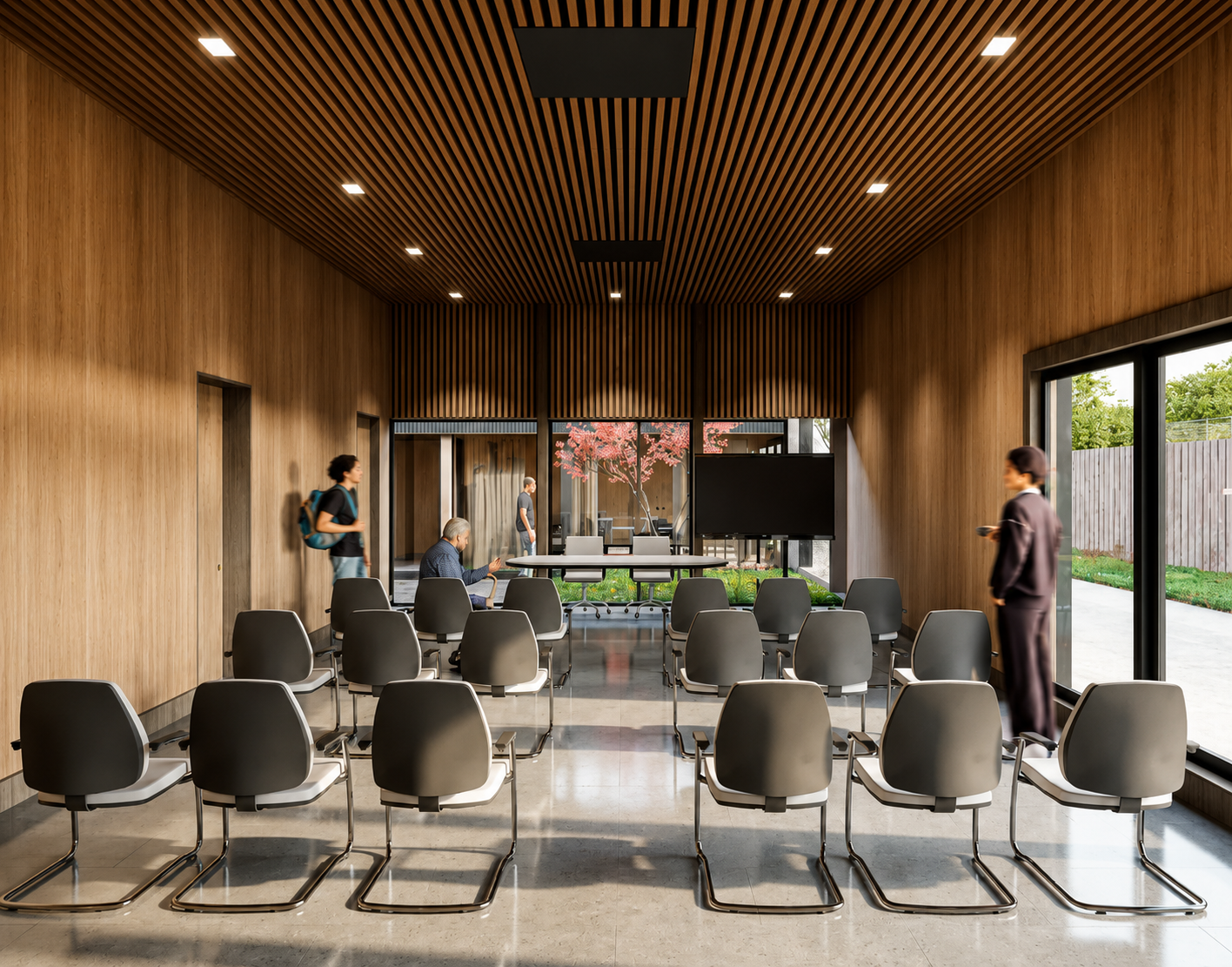
The new San Pedro de la Paz Fire Station includes approximately 224 m³ of CLT (Cross- Laminated Timber) and 27 m³ of GLT (Glued Laminated Timber), which will form part of the building’s construction system.
Niuform will participate as the supplier of these Mass Timber components and will also provide technical support for the development of connections associated with GLT elements. This collaboration is intended to facilitate the construction process, optimize assembly details, and contribute to a more efficient execution, in coordination with the teams responsible for the project.
One of the main technical challenges is related to the CLT elements that will remain exposed as part of the architectural design. For this reason, the panels require a high standard of surface finish, where the quality of the raw material and the precision of the manufacturing process are essential to achieving the desired result.
Safety and construction efficiency
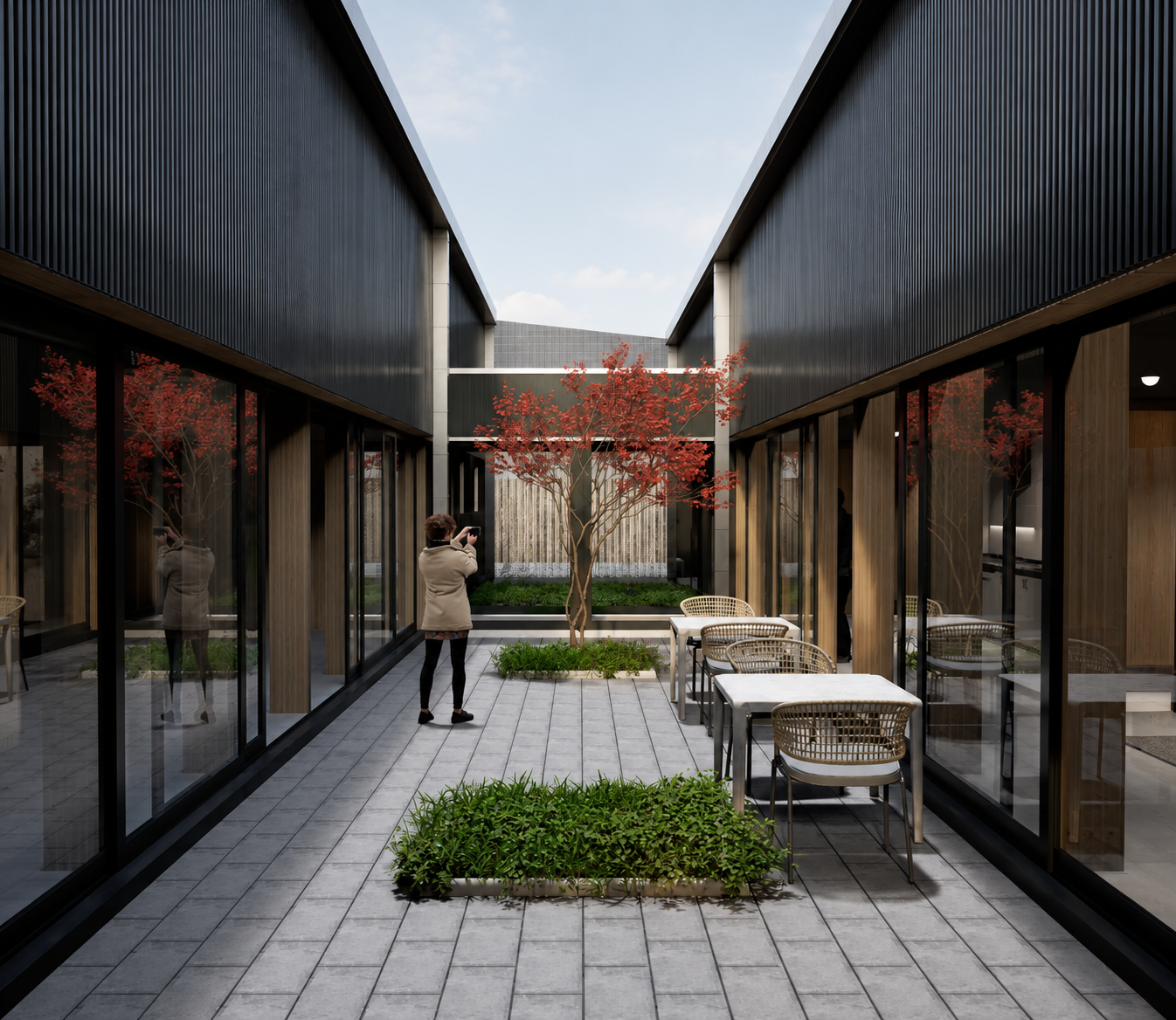
As infrastructure designed for an emergency response institution, safety is one of the project’s key priorities.
In Mass Timber structures, fire performance is addressed through the design and sizing of structural elements, taking into account the material’s charring rate and the specific requirements of each project. This characteristic makes it possible to develop solutions that meet regulatory requirements through the inherent performance of the structural elements themselves.
In addition, Niuform’s experience in public-sector projects has strengthened its technical support processes, detail optimization, manufacturing capabilities, and CNC machining expertise, contributing to the continued development of more efficient industrialized construction solutions.
The prefabrication of components helps reduce installation times, minimize waste generation, and optimize resource use during the construction phase.
The San Pedro de la Paz Fire Station thus joins a new generation of projects in which Mass Timber continues to expand its range of applications, becoming part of public infrastructure that combines functionality, innovation, and value for people.